Melody Zekey Pand
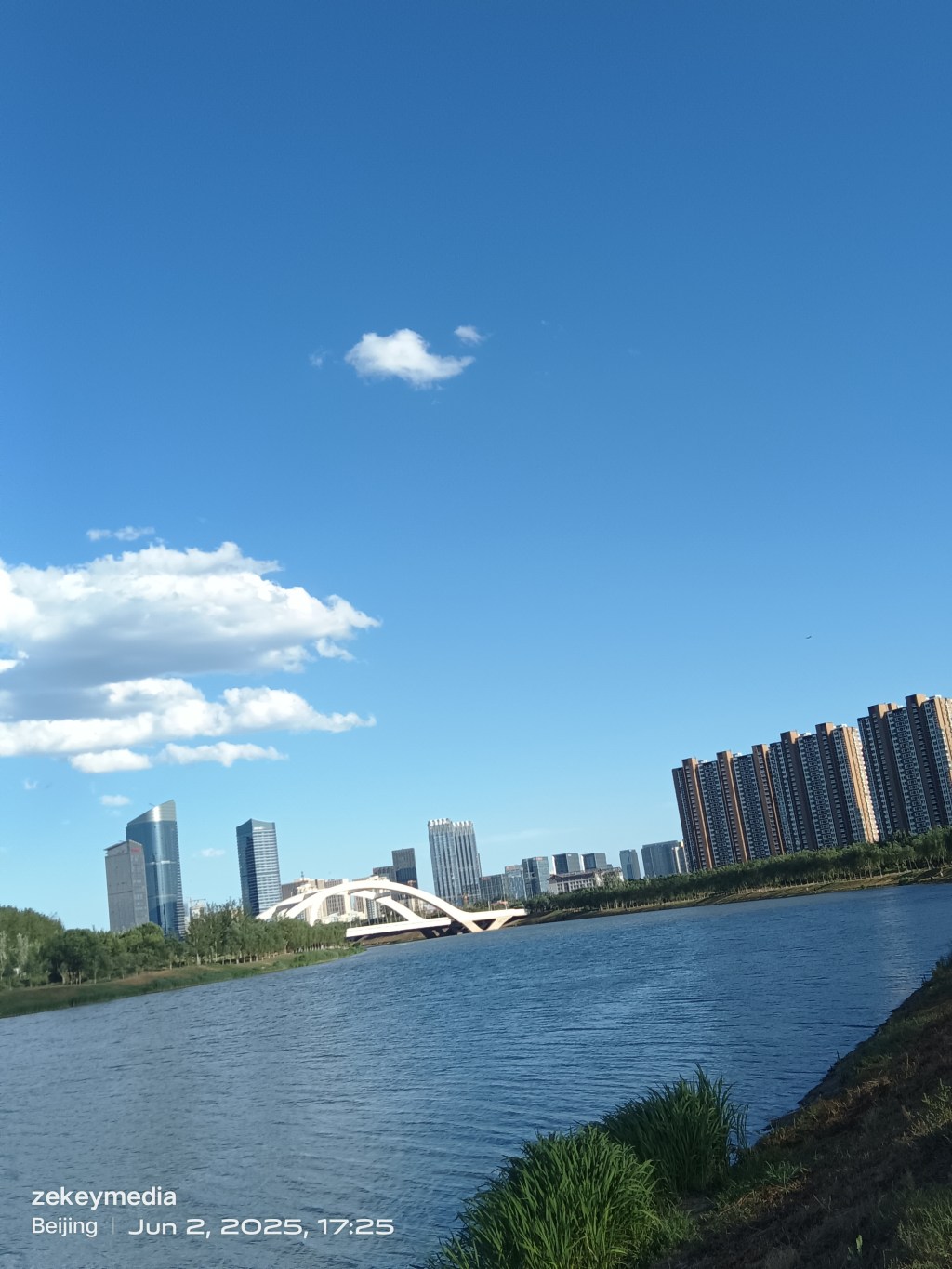
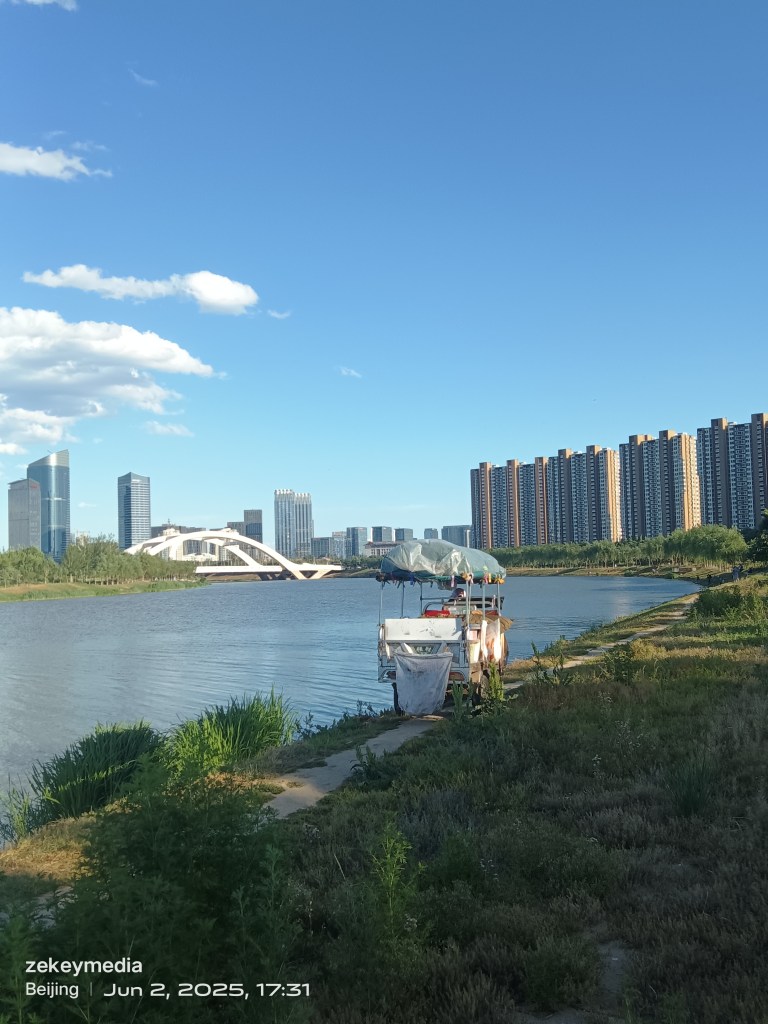
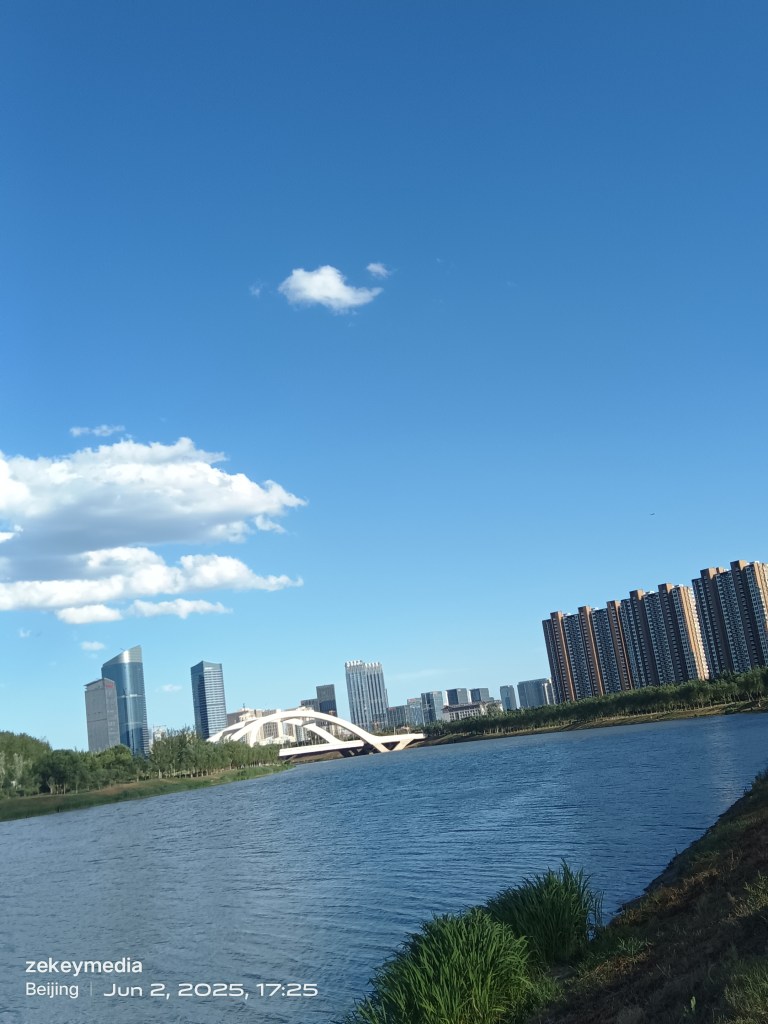
I love going to the river close to my community in Beijing. The river offers some cool place to relax and breathe some fresh air. Beijing has many in-city rivers, and in this blog, a river in Tongzhou District is featured.
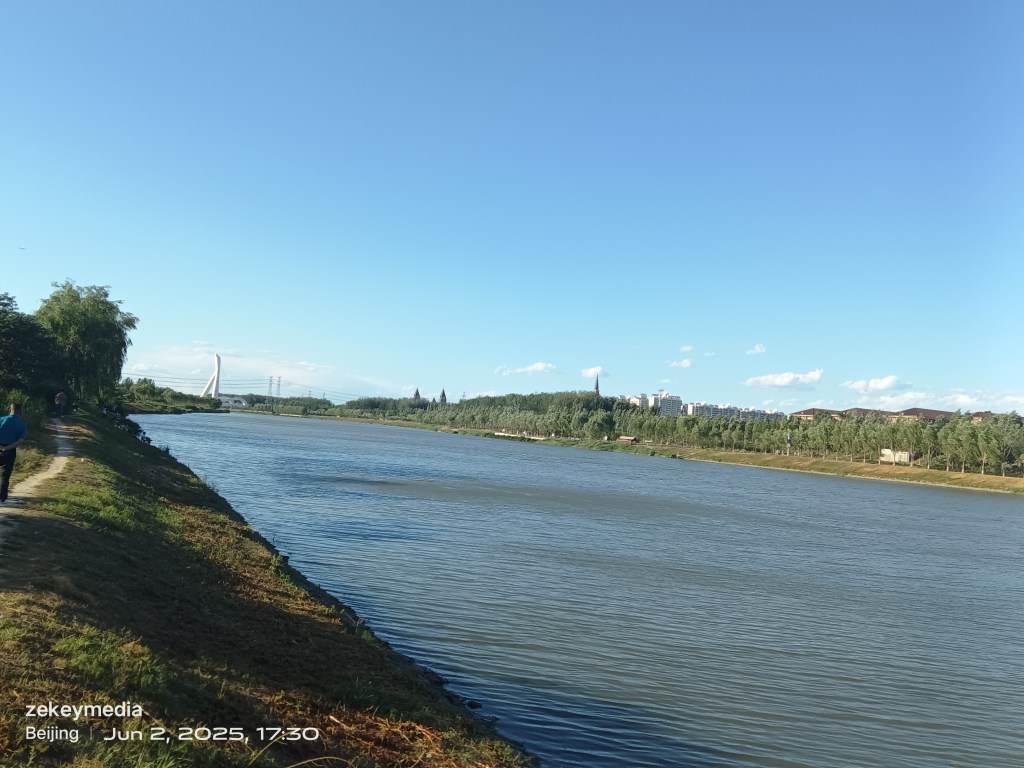
Urban landscapes are often dominated by concrete structures, bustling streets, and tall buildings. However, the presence of rivers flowing through these cities brings numerous benefits that are frequently overlooked. In-city rivers are not merely natural features; they play a crucial role in enhancing urban environments. The advantages of these waterways are vast and varied, impacting ecological health, recreation, and even economic growth.

To begin with, rivers provide significant ecological benefits. They serve as essential habitats for a wide range of plant and animal species, promoting biodiversity in urban settings. For instance, the Thames River in London acts as a sanctuary for various birds and aquatic life, contributing to the city’s ecological balance. By developing green corridors and focusing on ecological restoration, cities can enhance biodiversity while simultaneously creating buffers against urban runoff and flooding. This natural approach to urban planning helps maintain healthy ecosystems, which are vital for the overall well-being of city inhabitants.
Furthermore, in-city rivers play a critical role in stormwater management. As urban areas expand, impervious surfaces like roads and buildings increase, leading to rapid stormwater runoff and a higher risk of flooding. Rivers can function as natural drainage systems, absorbing and directing stormwater flow. For example, the Chicago River has been integrated into the city’s stormwater management plan, helping to reduce flooding and alleviate pressure on conventional drainage systems. This natural solution not only mitigates flooding risks but also promotes a more sustainable urban environment.
Additionally, urban rivers provide valuable recreational and leisure opportunities. Activities like kayaking, fishing, and riverside walking enhance the quality of life for city dwellers. Parks along riverbanks offer beautiful spaces for jogging, biking, or simply enjoying nature. A prime example is the San Antonio River Walk, which attracts both locals and tourists, providing a scenic area for relaxation and social interaction. Such recreational spaces foster community engagement and contribute to healthier lifestyles, making rivers an essential aspect of urban living.
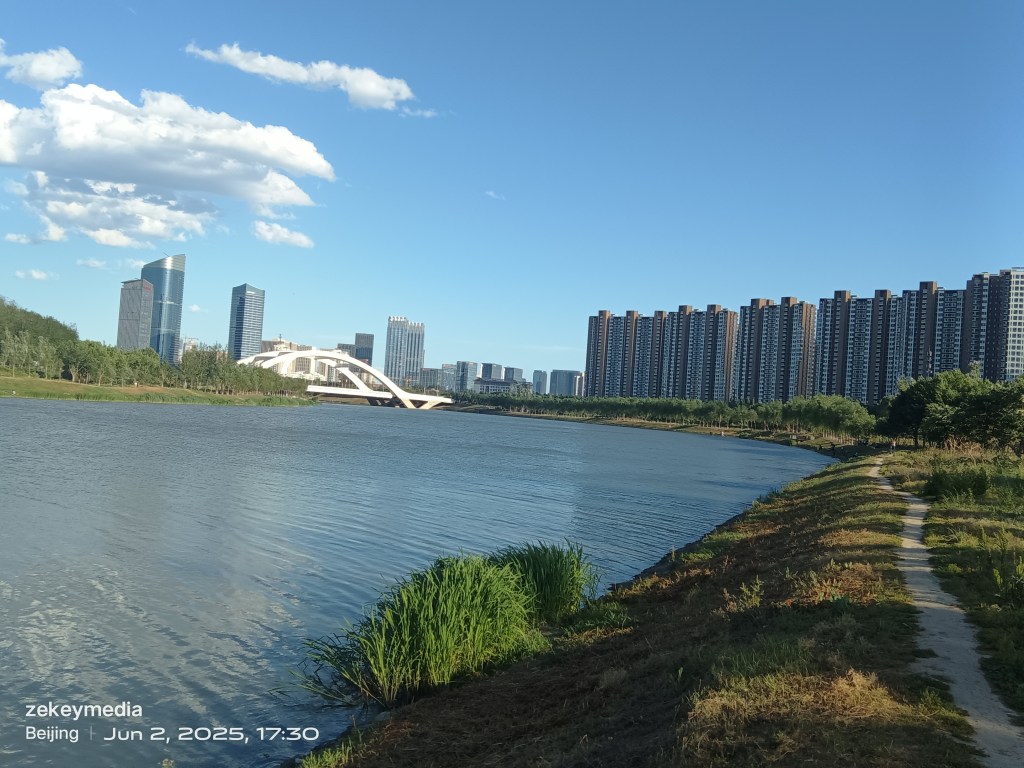

Moreover, the mental health benefits associated with access to nature are noteworthy. Numerous studies indicate that spending time near water can decrease stress and improve mood. Urban rivers offer much-needed green spaces that help counterbalance the stress of city life. A leisurely stroll along a riverbank or enjoying a sunset view can rejuvenate the mind and spirit. The calming presence of in-city rivers plays a crucial role in promoting psychological well-being, creating a more balanced urban experience.
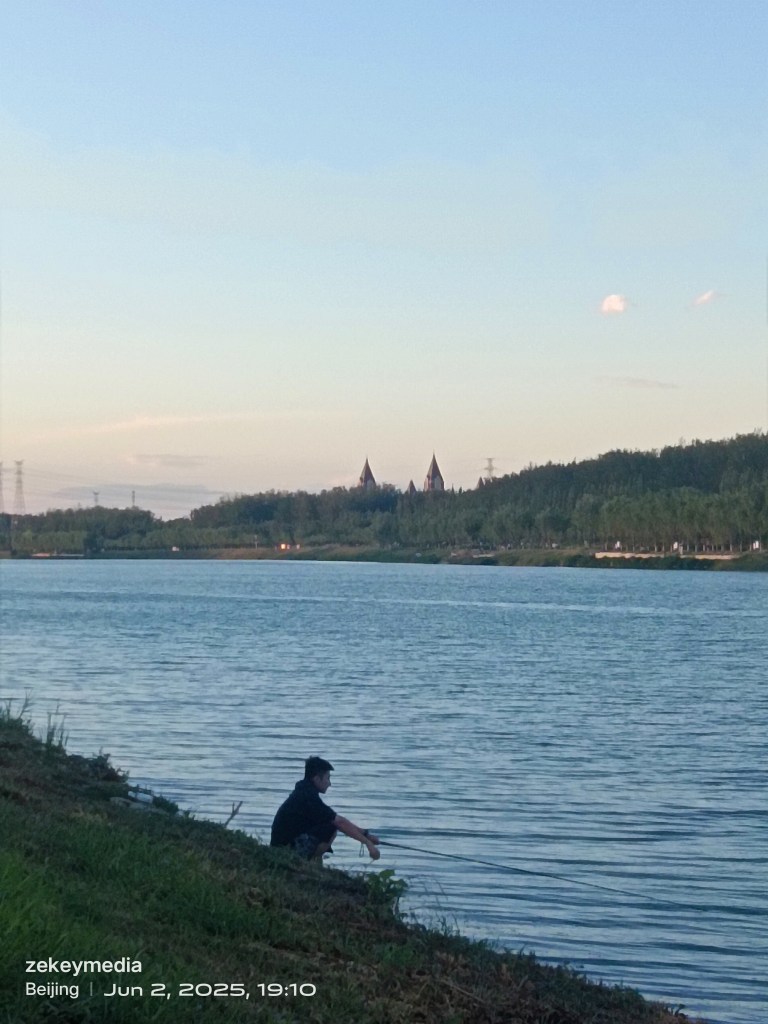
In addition to their ecological and recreational advantages, rivers hold cultural and historical significance. Many urban rivers have rich histories intertwined with the development of their respective cities. Festivals, art displays, and cultural events often take place along riverbanks, fostering community spirit and local identity. The Seine River in Paris, for instance, is not only a beautiful sight but also a cultural hub where art and history come alive. Celebrating these rivers can strengthen social ties and enhance a city’s cultural landscape.
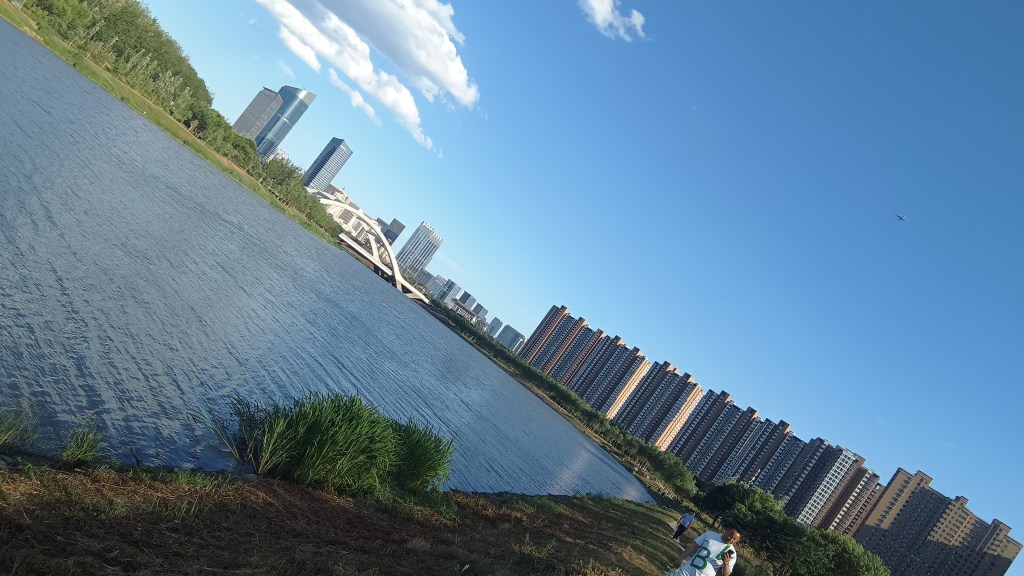
On an economic front, the presence of rivers can positively influence property values and attract businesses. Waterfront developments often become desirable locations, generating increased economic activity. Cities like Pittsburgh have witnessed revitalization along their rivers, leading to the growth of restaurants, shops, and entertainment venues. This economic boost not only benefits local businesses but also creates job opportunities, contributing to the overall prosperity of urban areas.
Additionally, urban rivers can be integrated into transportation networks, providing alternative transit options. In cities like Amsterdam, boat services along canals reduce road congestion while offering a unique travel experience. Investing in river transport can enhance connectivity, encouraging sustainable urban mobility. This innovative approach to transportation can ease traffic woes and promote a greener mode of travel.
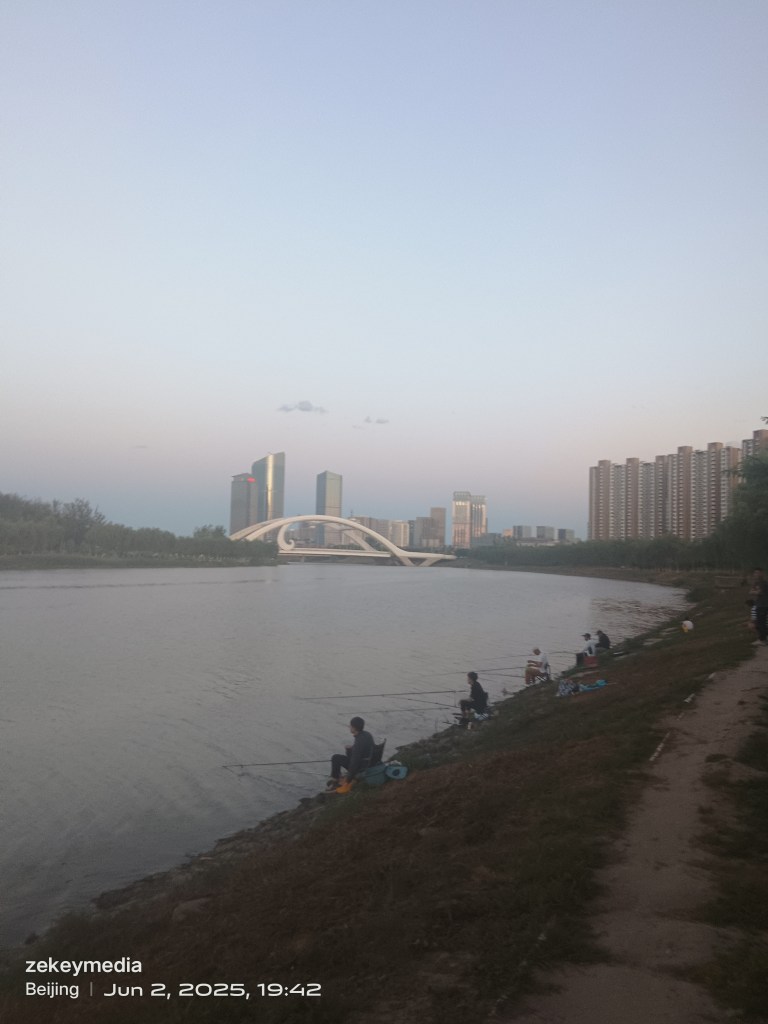
Lastly, the aesthetic appeal of in-city rivers cannot be overlooked. They add beauty to urban landscapes, creating picturesque views that soften the harshness of concrete environments. Thoughtfully designed riverfronts become iconic spots, attracting residents and visitors alike. Cities like Sydney have transformed their waterfronts into vibrant public spaces that enhance community pride and engagement.

In conclusion, urban in-city rivers are vital assets that contribute to ecological health, recreational opportunities, economic growth, and community well-being. As cities face the challenges of development and climate change, recognizing and maximizing the benefits of these rivers is essential. Investing in the restoration, accessibility, and sustainability of in-city rivers can create resilient, vibrant urban environments where nature and city life coexist harmoniously. Embracing the advantages of urban rivers will ensure they remain integral components of urban ecosystems, enriching the lives of those who inhabit these cities.


 ZEKEY MEDIA ONLINE
Leave a Reply